Skip to content
Although most roofs are installed during the warmer months of the year, certain kinds of roofs can also be installed during the winter. These types of roofs tend to be more expensive, but they are also more durable. In general, even though some roofs can be installed during the colder months, it is recommended to avoid installing a new roof if there is frost or snow on the current roof in order to prevent any injuries during the installation process.
Read this blog to find out which types of roofs can be professionally installed during winter and how the cold weather affects the installation process so that you can make an informed decision when considering a new roof installation or replacement.
Which Types of Roofs Can Be Installed During the Cold Months
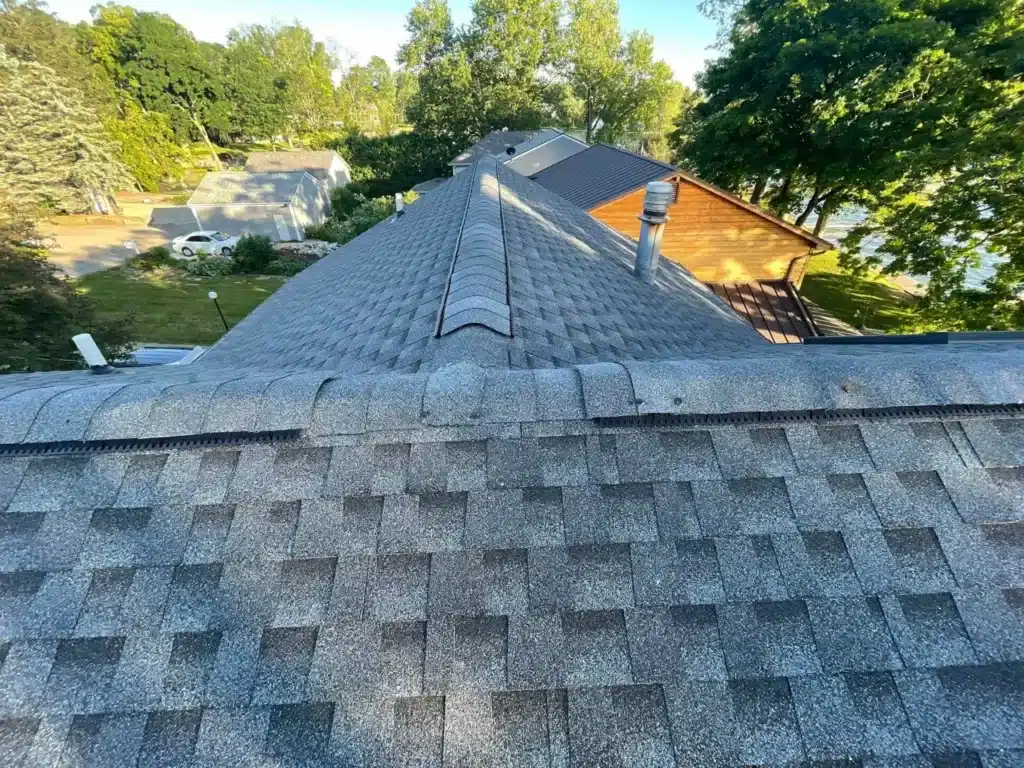
1.) Shingle Roof Types That Can Be Installed in the Cold (Need Heat to Seal)
- Owens Corning Duration Flex
- CertainTeed NorthGate® SBS Shingles
- Malarkey Vista®
- Malarkey Legacy®
- Malarkey Highlander® Nex®

These shingles are more flexible, so they are unlikely to break when installed in the cold but do still need heat from the sun in order to seal properly. However, the sealing does not have to happen immediately after installation. If the shingles are installed during the winter, it’s alright for them to seal during the springtime of the coming year.
2.) Roof Types That Do Not Require Heat To Seal
- Metal shingles
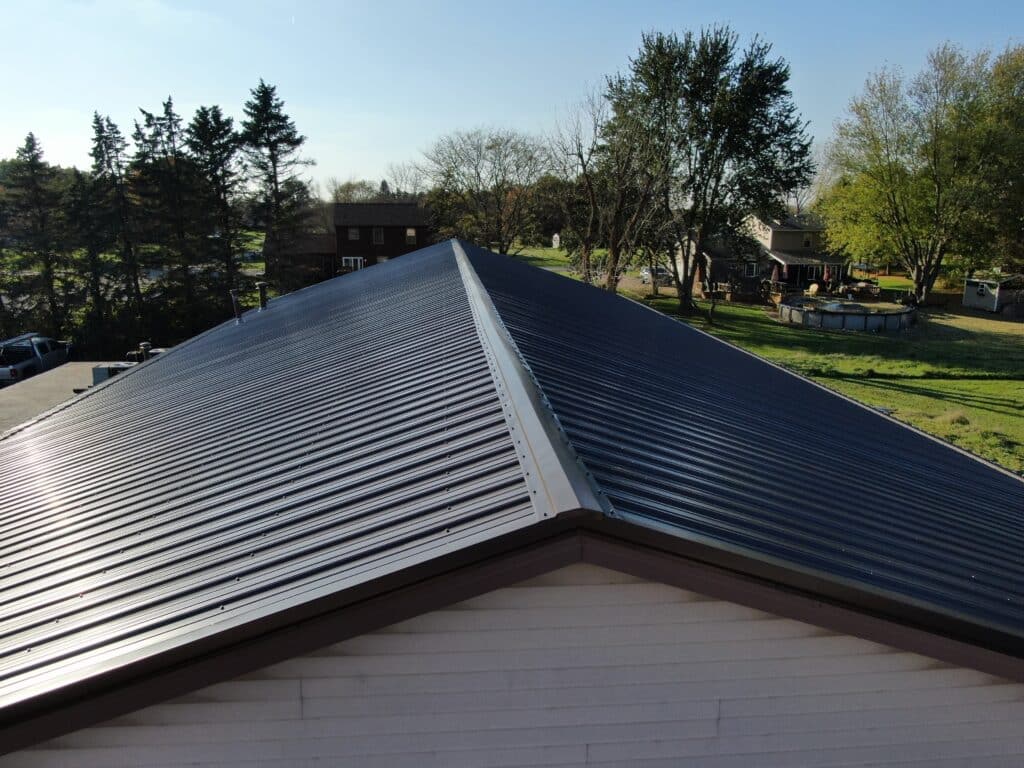
- Metal panels
- Synthetic/composite shingles (e.g., DaVinci, F-Wave, Euroshield)
- Cedar shake
- Slate (natural or synthetic)

These types of roofs can be installed during the cold because they do not require the sun to make them adhere or stick together the way asphalt shingles do. This is because these materials don’t use heat-activated adhesives to seal. Instead, they stay secure through interlocking, overlapping layers, and proper fastening. These materials are often recommended over cold-weather shingles because they don’t become brittle in low temperatures and the roof is fully secured as soon as the installation is complete.
What Roofing Materials Should not be Installed in Cold Weather?
Traditional shingles of any brand, including Owens Corning, should not be installed below 40°F. This is because these shingles become brittle and crack in low temperatures.
Standard Traditional Shingles
- Require sun/heat to activate seal strips.
- Become brittle in freezing temperatures.
- High risk of cracking or improper sealing when installed under 40°F
Tips for Homeowners Considering a Winter Roof Installation
If you are considering replacing or installing a roof during the cold months, follow these steps:

- Ask The Project Consultant About the Roofing Material Options
- Make sure your chosen material can be installed below 40°F
- Ensure the Contractor Follows Proper Winter Installation Practices (if using cold-weather shingles)
- Extra care while handling and installing shingles
- Minimal walking on finished parts of the new roof
- Be Aware of Possible Changes or Delays
- Due to frequent weather changes, the installation can take longer than planned, and the scheduled date may need to be moved.
- Understand That Sealing May Be Delayed Until Spring (if using cold-weather shingles)
- If no more warm days take place after the installation, the sealing will happen during the spring, once the weather starts to warm up again.
- Choose an Experienced Contractor
- Proper installation of cold-weather shingles requires training and caution.
Should You Install a Roof in Winter?
Whether you decide to have your roof installed during the warm or cold months of the year, both are completely fine to do—the main difference is that your choice of materials is more limited if you decide to install when it’s cold out.

On the other hand, it’s best to assess the roof during the summer when the weather is nice. This gives you a head start in knowing whether you will need to replace your roof before winter, rather than waiting for a leak to start as soon as the rain and snow season arrives.
Proactive repairs and replacements are always better, giving you time to prepare mentally and financially for when the time comes to repair or replace your roof.
Other Frequently Asked Questions
Will my roof be less durable if installed in cold weather?
No, your roof will be just as durable if installed in the cold, as long as it’s installed properly. However, for cold-weather shingles, they are more susceptible to wind damage during the time period in which they are not yet sealed.
Should I wait until spring to replace my roof?
Not necessarily. If you have visible damage, leaks, water stains, or large amounts of granule loss, it’s best to take action as soon as possible (as long as you are choosing a roof that can be safely installed during the cold months).
Can a winter roof installation affect the warranty?
No, it won’t void the warranty as long as the roof is installed according to the manufacturer guidelines. It’s important to hire a contractor who is well trained and experienced in cold weather roof installations.
Will my shingles seal properly if installed in cold weather?Yes, as long as you are using the Duration Flex Shingles from Owen’s corning or any of the other brands of shingles that can be installed in the cold. If installed when under 40°F, the shingles will very likely not seal until the spring or the next warm day.