Skip to content
Having your siding replaced should be an exciting undertaking that gives you the chance to upgrade your home’s energy efficiency and appearance. But because there are so many different siding options available, many homeowners simply feel overwhelmed.
We’ll try to help you whittle down your siding choices and learn a few of the most important things to consider when choosing a new siding material for your Ohio home.
The Five Most Popular Siding Options in Ohio
There are a variety of different siding materials on the market, but in practice, most Ohio homeowners will want to choose from the following five options.
1. Vinyl Siding
First invented in the 1950s, vinyl siding is a popular choice that offers a number of strengths, with relatively few weaknesses.
Pros
- Vinyl siding is one of the most affordable siding choices available.
- It has lower maintenance requirements than many other options.
- You can choose from an array of different colors and styles to match your home’s aesthetics.
Cons
- Vinyl siding may crack in extremely low temperatures.
- It will suffer damage (especially from hail) more easily than many other siding options.
- Some vinyl products will fade more than other materials over time.
These factors make vinyl siding the ideal choice for budget-conscious homeowners and property managers trying to upgrade a property quickly and with a relatively low investment.
2. Fiber Cement Siding
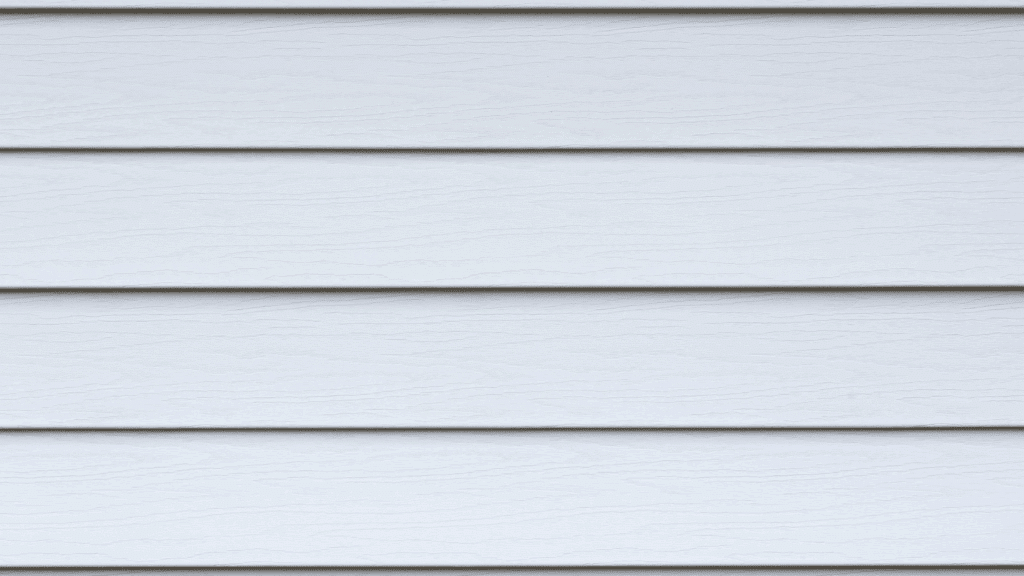
One of the longest-lasting siding materials available, fiber cement siding is often the material of choice for homeowners seeking to invest in a long-term solution for their home’s exterior.
Pros
- Fiber cement siding provides excellent durability and may last for 50 years or more.
- It is resistant to fire, rot, and pests.
- Unlike some other materials, fiber cement holds up well in high-moisture environments.
Cons
- Fiber cement siding has higher upfront costs than many other siding options.
- You can’t install fiber cement siding yourself; professional installation is required.
- It requires repainting periodically.
Fiber cement siding tends to be most attractive to homeowners and property managers seeking a mix of long-term durability and impressive curb appeal.
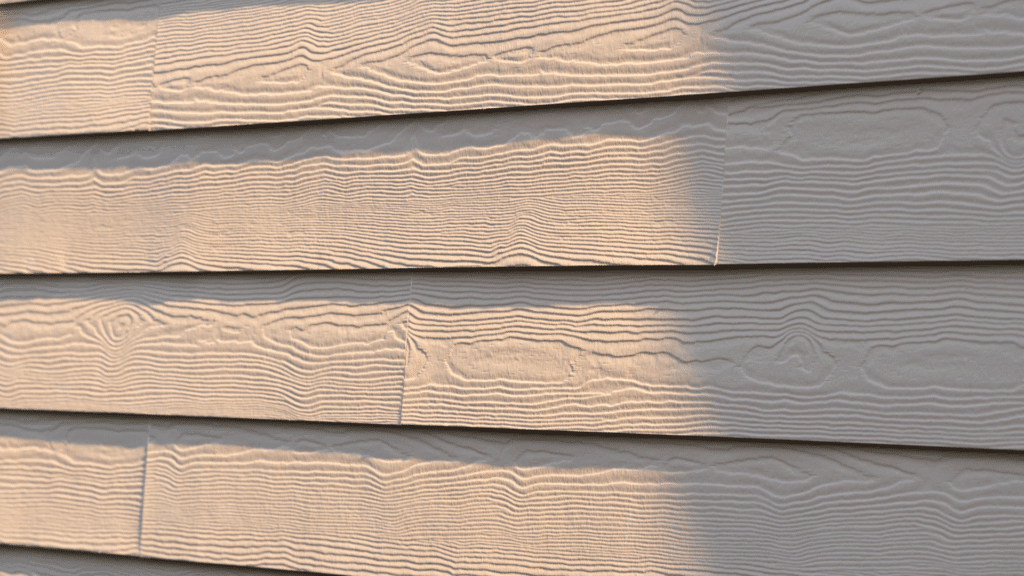
3. Engineered Wood Siding
Engineered wood siding products offer a nice combination of the benefits wood provides, as well as a few of the benefits some other materials offer.
Pros
- Engineered wood siding is attractive and looks like real wood.
- It’s more affordable than natural wood siding.
- When properly sealed and installed, engineered wood is resistant to both moisture and pests.
Cons
- Though not as high-maintenance as natural wood, it does require some upkeep.
- It requires proper (professional) installation to hold up over the long term.
- Engineered wood siding is typically more expensive than vinyl.
Engineered wood siding is often a good choice for homeowners who want the appearance of real wood at a lower price and with better durability.
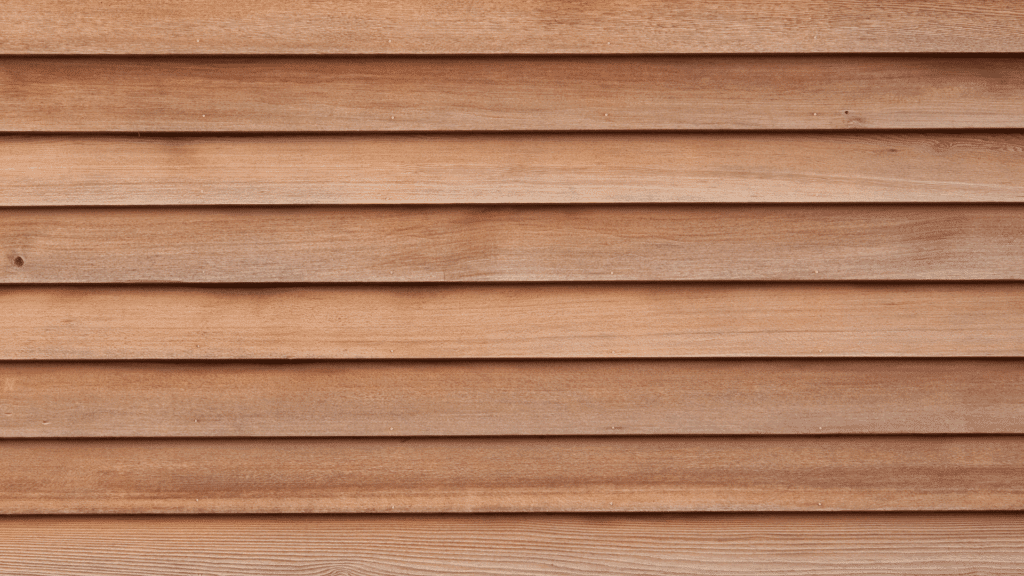
4. Natural Wood Siding
One of the oldest siding materials still in widespread use, natural wood siding provides a number of impressive benefits, but it also presents several challenges.
Pros
- Natural wood siding offers a classic appearance that many homeowners love.
- You can paint wood just about any color you like and change it periodically as trends change.
- Many tree species used to make natural wood siding can be sustainably harvested.
Cons
- Natural wood is one of the highest maintenance siding materials available.
- It is vulnerable to moisture, insects, and rot, though proper sealing can help keep it in good condition.
- Ohio’s humidity often causes natural wood to warp over time.
Many homeowners have moved away from wood, given its maintenance requirements, but it is still very well suited for historic homes and homeowners willing to exchange extra upkeep for its unrivaled appearance.
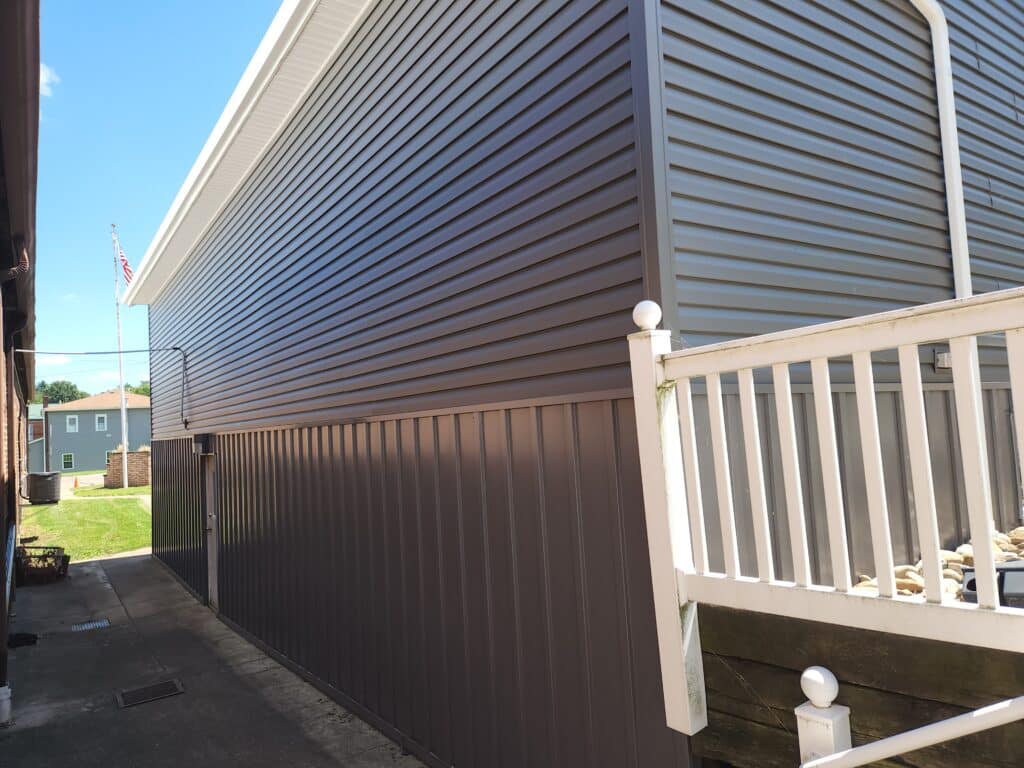
5. Metal Siding (Aluminum and Steel)
One of the most durable siding options available, metal tends to be the material of choice for homeowners and property managers focusing on long-term value.
Pros
- Metal siding is extremely durable and sometimes lasts for up to 70 years.
- It is completely resistant to pests, fire, moisture, and rot.
- Metal provides a modern appearance that few other materials can match.
Cons
- Though durable, metal siding can suffer from hail damage.
- The “industrial” appearance of metal doesn’t suit all homes.
- Metal siding has higher upfront costs than most other options.
In practice, metal siding tends to be the best choice for modern homes and homeowners seeking a low-maintenance, supremely durable option.

Key Factors That Affect Your Siding Decision
You’ll certainly want to compare the pros and cons of different materials when trying to identify the best siding for your home. But it’s also important to consider the things that make your situation unique.
A few of the key factors you’ll want to think about when choosing new siding include:
- Your budget, both in terms of the upfront costs and the length of time the siding will last. You may find that it makes more sense to spend more initially for a siding that lasts 40 years, as opposed to saving money on a siding that may not last 30.
- The style of your home and the surrounding neighborhood. Some siding materials — particularly metal options — don’t fit in well with all neighborhoods. Additionally, there may be HOA restrictions you’ll need to consider when making your choice.
- How important energy efficiency and insulation are for your goals. Energy efficiency is important for most Ohio-area homeowners, making vinyl siding (particularly insulated vinyl siding) more popular than relatively inefficient options, such as aluminum.
- How much maintenance you’re willing to invest. It’s never a good idea to choose a high-maintenance siding, such as wood, if you’re not willing to carry out the upkeep needed to ensure lasting performance. In these situations, you’ll be better served by choosing a low-maintenance alternative, such as metal.
- How long you need the siding to last. Obviously, every homeowner wants a siding that will last as long as possible, but many of the most durable options are also expensive. In general, real wood has a very short lifespan, while metal and fiber cement may last for 50 years or longer.
Siding FAQs for Ohio Homeowners
Choosing new siding isn’t something most homeowners do often, so it’s normal to have questions. Here are some of the most common things we’re asked by homeowners across Ohio.
What is the best siding for Ohio weather?
Fiber cement and engineered wood tend to perform best in Ohio’s climate. They handle moisture, temperature swings, and seasonal weather changes better than lower-cost materials, while still offering strong durability and curb appeal.
How long does siding last in Ohio?
It depends on the material. Vinyl siding typically lasts 20–30 years, fiber cement can last 30–50 years, and engineered wood often falls in the 20–30 year range with proper maintenance. Ohio’s freeze-thaw cycles and humidity can shorten the lifespan if materials or installation are poor.
Is fiber cement siding worth the cost?
For many homeowners, yes. Fiber cement costs more upfront but offers long-term durability, resistance to moisture and pests, and a longer lifespan. It’s often a strong choice for homeowners planning to stay in their home long-term.
Does new siding improve energy efficiency?
It can. While siding itself isn’t insulation, properly installed siding systems—especially when paired with house wrap or insulated backing—can improve your home’s overall energy performance.
How much maintenance does siding require?
Vinyl requires the least maintenance, typically just occasional cleaning. Fiber cement and engineered wood require periodic painting or sealing to maintain their appearance and performance. Natural wood requires the most ongoing maintenance.
Can siding be installed in winter in Ohio?
Yes, siding can be installed in colder months, though certain materials (like vinyl) require extra care during installation. Experienced contractors will adjust their approach to ensure proper fit and performance.
How do I know if my siding needs to be replaced?
Common signs include cracking, warping, fading, moisture damage, rising energy bills, or visible mold or rot. If you’re noticing multiple issues, it’s usually worth having a professional inspection.
Let Asbury Roofing & Siding Install the Perfect Siding for Your Ohio Home
Choosing the right siding is only part of the equation. The quality of the installation plays just as big a role in how your home looks, performs, and holds up over time. Even the best materials can fail early if they’re not installed correctly, especially in a climate like Ohio’s.
But you don’t have to worry about that when you trust the professionals at Asbury Roofing & Siding. We take a straightforward, no-pressure approach and always try to help homeowners choose the best siding for their specific situation.
Contact us today to schedule a free estimate and consultation. We’ll walk your home with you, explain the pros and cons of each option based on your goals and budget, and help you choose a siding solution that makes sense for how you live.