Skip to content
From high winds and heavy rain to hail and snow, severe weather can certainly cause a lot of damage. In fact, storms are undoubtedly one of the biggest threats to the performance, appearance, and structural integrity of your roof.
That’s why it’s important to understand the kind of damage storms can cause and learn to identify the first signs of trouble. This way, you can have the necessary repairs conducted quickly to help limit the damage and protect not only your home but your investment too.
To help, we’ll outline some of the most common kinds of damage storms cause for homes in Ohio and explain the kinds of things you should do when they occur.
Common Types of Storm Damage to Roofs in Ohio
Obviously, storms differ quite a bit; some are characterized by torrential rain, while others drop golf-ball-sized hailstones by the bucketful. And these different kinds of storms often create different kinds of damage to roofs.

We’ll outline the different types of damage that different weather factors cause below.
1. Winds
High winds can lift, crease, or completely tear shingles from the roof — especially along the edges and ridgelines of your roof. Additionally, any areas where the shingles were already aging or improperly installed are likely to suffer significant damage.
In extreme cases, strong gusts can even dislodge your flashing, vents, or gutters. Wind also poses an indirect risk by blowing branches, unsecured yard items, and other types of debris onto your roof. This can potentially lead to punctures or cracks in the shingles, underlayment, or decking.
2. Heavy Rain
Rain doesn’t always cause immediate, visible damage, but persistent downpours can lead to serious issues over time.
If your roof has any weak spots, including anything from missing shingles to clogged gutters, heavy rainfall can create serious issues. Water may seep beneath the roofing material and soak into the underlayment. Left unrepaired, this will eventually cause the materials to rot, grow mold, or allow water to leak into your home.
Older roofs with degraded waterproofing layers are especially vulnerable during long-lasting rain events.
3. Hail
Hail can often cause more immediate roof damage than any other kind of destructive weather event. Even small hailstones can dent or fracture shingles, knock granules loose, or expose the underlying asphalt.
Larger hail is even more damaging, as it can crack shingles, dent metal flashing, damage gutters, or even break skylights and ridge caps. This kind of damage isn’t always obvious from the ground, but it can reduce the life of your roof and compromise its ability to shed water effectively.
4. Snow
Snow may not seem like a huge threat to your roof, but when a great deal of it accumulates or turns into ice, the weight will start to take a toll on your roof. If the snow lingers, ice dams may form near your roof eaves, trapping melted water and forcing it back under the shingles.
This kind of moisture intrusion can cause leaks, rot, and insulation damage, among other things. And while all roofs are theoretically susceptible to snow-caused damage, flat and low-slope roofs are especially susceptible, as are homes with poor attic ventilation or insulation.
Things You Can Do Before Severe Weather Strikes Your Ohio Home
The best way to ensure your roof stays in good condition and keeps your family safe and comfortable is by preventing damage from occurring in the first place. And while there’s no way to completely prevent storm damage, there are a number of things you can do that’ll provide some level of protection.
- Trim overhanging tree branches. Trees near your roof can drop limbs on your roof or even scrape off shingles in high winds. So, keep branches trimmed back at least 6 to 10 feet from your house.
- Clean your gutters and downspouts. Clogged gutters prevent proper drainage and cause water to back up under shingles. That’s why it is a good idea to have your gutters and downspouts cleaned twice per year.
- Secure shingles that are already loose. Scan your roof from the ground and look for any shingles that may already be loose or damaged. If you notice any, have them repaired before a storm makes things worse.
- Check attic insulation and ventilation. Proper airflow and insulation help prevent ice dams in winter and reduce moisture buildup year-round. Accordingly, you’ll want to have a professional inspect your attic space regularly.
- Install gutter guards or screens. Gutter guards and screens can help keep leaves and debris out of your drainage system during storms. This will reduce the risk of overflows and lead to better overall performance.
- Inspect flashing and seals. Flashing around chimneys, vents, and skylights should be tight and rust-free to prevent leaks. Have any of these issues repaired promptly to keep your home and roof decking dry.
- Photograph your roof for insurance. Being prepared to deal with your insurance company will be easier if you have lots of documentation. So, take clear, date-stamped photos of your roof while it’s still in good shape.
- Consider storm-rated upgrades. We experience lots of severe weather in Ohio, so consider upgrading your roof materials. Things like impact-resistant shingles and reinforced underlayments are smart long-term investments.
There’s one other important thing homeowners can do to protect their roofs: Have a roofing professional inspect your roof regularly. Pros can spot early signs of wear and weather vulnerability before they turn into costly problems.
Post-Storm Inspections: Things to Look for After Severe Weather
Once a storm has passed, it’s important to assess your roof for signs of damage. Here are a few things you’ll want to look for:
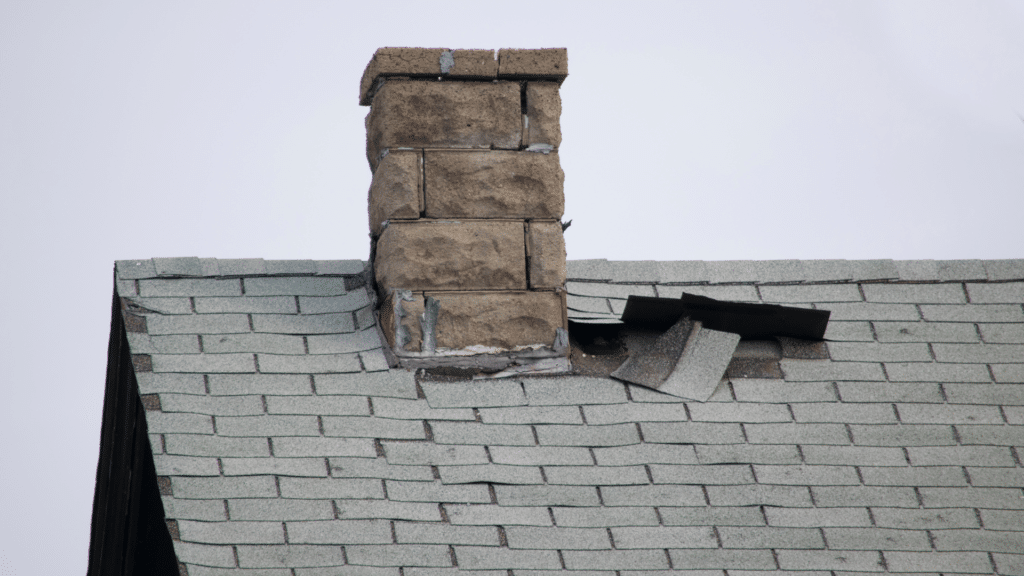
- Missing or damaged shingles: Look for bare spots, shingles that are curled, cracked, or torn off entirely —especially around the edges and ridgeline.
- Granule loss: Check your gutters, downspouts, or the ground below for piles of black or gray granules—this often points to hail or wind damage that has compromised your shingles.
- Dented or bent flashing: Flashing around chimneys, vents, and skylights can become dislodged or dented in high winds or hail.
- Exposed underlayment or decking: If you see areas where the black underlayment is showing (or even bare wood), your roof is exposed and needs immediate attention.
- Leaks or water stains indoors: Check ceilings, walls, and the attic for damp spots, stains, or dripping—these can appear hours or even days after a storm.
- Sagging gutters or disconnected downspouts: Heavy rain and wind can pull gutters loose, causing improper drainage and potential water damage near the foundation.
- Debris accumulation: Leaves, limbs, or other debris on the roof can block water flow or damage shingles as they shift and decay.
- Tree limb impact: Even a small branch falling on your roof can cause structural or surface damage—especially if it hits at high speed.
- Cracked siding or windows: Wind-blown debris and hail can damage more than just the roof—inspect your siding, windows, and exterior trim.
- Discoloration or soft spots on the roof: Dark patches may indicate water absorption or bruising beneath the shingles.
Keep in mind that some roofing issues may be obvious, but others can be hard to spot from the ground. So, it’s never a bad idea to have a professional inspect your roof following particularly severe weather. This can help you spot easily missed issues and have them repaired before they lead to bigger (and more expensive) problems.
Asbury Roofing & Siding: Ohio’s Preferred Roofing Pros!
By understanding some of the most common storm-related roofing issues that strike Ohio homes, you’ll be better prepared to protect your home. It’ll also give you the chance to address damage before it leads to costly repairs.
Make sure your roof will be ready to handle the next storm that hits Ohio. From inspections to repairs to full roof installations, Asbury Roofing & Siding is here to help protect your home. Contact us today to schedule your roof inspection.
Sources and References
- Insurance Institute for Business & Home Safety – “Hail Guidance for Home & Business Owners”
Authoritative guidance on hail impacts, impact-resistance roofing, and mitigation options for homeowners and small buildings.
https://ibhs.org/guidance/hail/ - Travelers – “Identifying Hail Damage to Your Roof”
Guide describing the visual indicators and types of hail damage across different roofing materials, helping homeowners distinguish between superficial and structural issues.
https://www.travelers.com/resources/weather/hail/identifying-hail-damage-to-your-roof - Hanover Insurance – “Hail Safety Tips and Resources”
Homeowner-oriented tips for preparing for hail storms: inspecting roofs, choosing impact-resistant materials, cleaning gutters, and maintaining trees.
https://www.hanover.com/resources/tips-individuals/weather-resource-center/hail-safety-tips-and-resources - Henderson Ohio – “Common Roof Repair Issues in Ohio and How to Fix Them”
Local Ohio roofing problems such as missing shingles, flashing failures, ponding water, ice dams, etc., with discussed strategies to address them.
https://hendersonohio.com/roof-repairs/common-roof-repair-issues-in-ohio-and-how-to-fix-them/