Skip to content
The first question many homeowners have when considering a roof repair or replacement is, will insurance pay for all or some of the roofing costs? While there are many scenarios in which they do, this is something that varies on a case by case basis. Therefore, it is crucial that homeowners understand what to expect from their insurance coverage when it comes to making a decision about their roof. By reading this blog, you can learn more about how the insurance process works so that you know what to expect when filing a claim and can make informed decisions regarding your roof.
How Homeowners Roof Insurance Works
Homeowners insurance in Ohio is designed to protect homeowners from sudden, accidental damage. Essentially, all damage that is caused by natural disasters will have a very high chance of getting covered. It’s always a good idea to check your insurance policy. There, you can find all the roof related incidents that are covered.
Insurance companies will usually pay for a roof repair or full replacement for damage caused by wind, hail, or other natural disasters. However, you have a limited amount of time to file a claim from the date on which the event took place. Therefore, it is important to act quickly if you know that a storm has hit close to the area where you live in order to file a claim in time.
On the other hand, insurance companies won’t pay for damage caused by wear and tear, poor installation, predictable events* (such as an old tree falling on your roof), or negligence.
*This may depend on the specifics of the situation—if a homeowner was not informed of a potential problem on their property, such as a dead tree, they may still be eligible to file a claim. Please consult with your insurance provider in such scenarios.
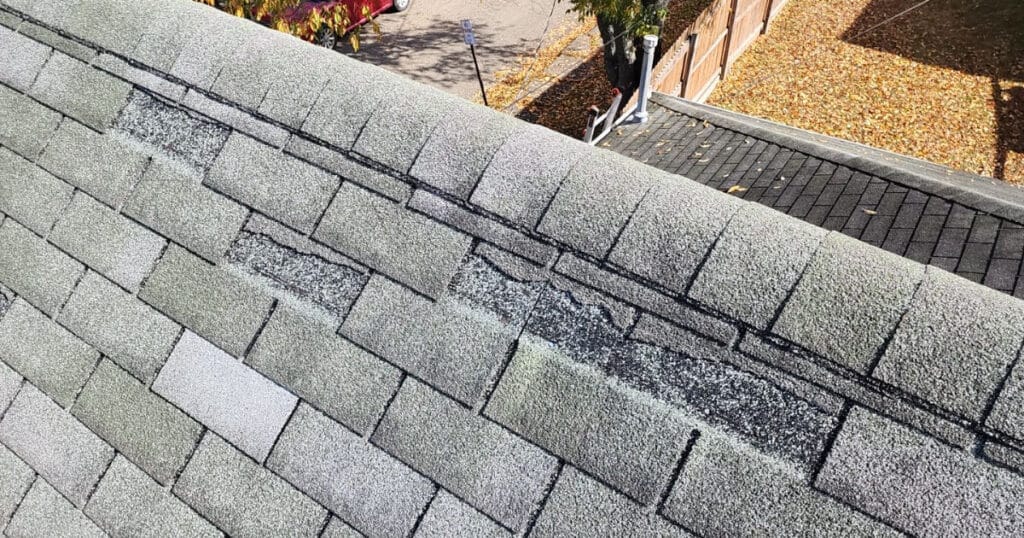
Damage (Typically Covered):
- Hail impacts causing granule loss
- Water leaks caused by storm damage
- Creased or lifted shingles
- Shingles missing or blown off
Damage (Typically not Covered):
- Wear and tear from age
- Improper ventilation
- Damage caused by poor installation
- Long-term leaks due to neglect
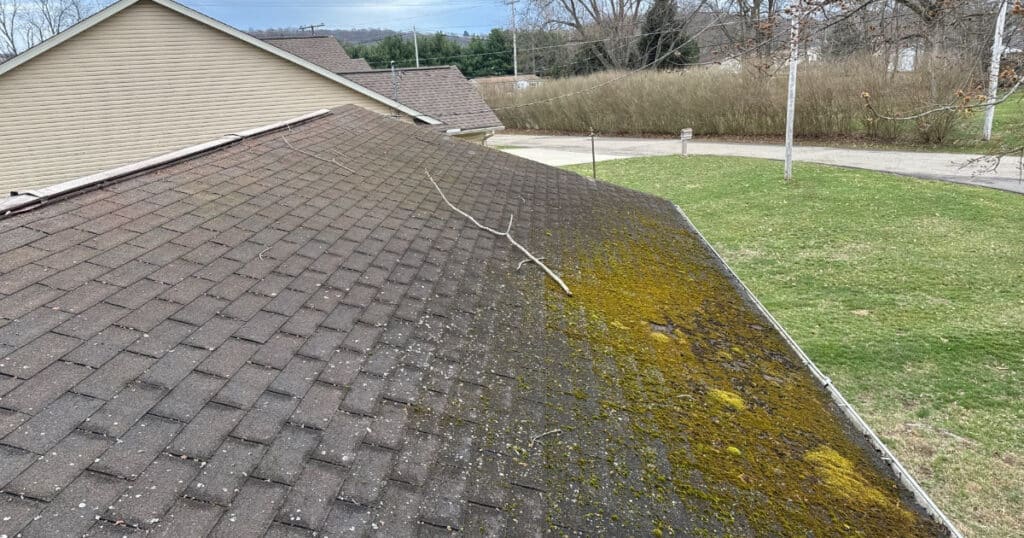
In order for insurance companies to determine whether they will pay for a repair or full replacement, they must have the date of when the storm damage took place. They will also need to confirm that the damage was indeed caused by the storm and not deterioration due to the age of the roof.
Claim Deadline
Most issuance companies will give you one year to file a claim from the date that the storm took place. However, there are some companies that give you up to 2 years. Therefore, it is highly recommended that if your home was near or in the middle of a storm, you get your roof inspected, even if there is no damage on your roof. That way, you can at least get a clean bill of health and not have to worry about leaks or other roof related problems down the road.
Will Filing a Storm Claim Raise My Premium?
Oftentimes, the first assumption is that home insurance works in the same way that car insurance does. However, housing insurance actually works very differently, and in most cases insurance premiums don’t go up when you file a claim due to damage caused by natural disasters.
This type of damage is unavoidable: there’s nothing you as a homeowner can do to prevent it. Because of that, storm claims are usually treated as no-fault claims, and they typically do not raise your premium.
When premiums do go up, it’s usually because many homeowners within your area filed claims. Insurance companies adjust rates by zip-codes, not by individual claims. So, if most homeowners around you are filing claims and you don’t, you may end up with:
- A damaged roof with a shorter lifespan, and potential leaks in the near future
- A higher premium due to others filing claims around you
That’s why it’s so important to get a free inspection after a storm—-this way you can determine whether it’s necessary to file a claim. And if you don’t have damage, at least you can have peace of mind knowing your roof is in good condition.
Why Claims are so Common in Ohio
In Ohio, there are many storms and natural disasters that take place every year. Most commonly, they happen during the spring, although they can also arise during the rest of the year. Because of this, many homeowners file claims in the springtime, usually with the help of a roofing company.

The Most Common Types of Storms
- Wind storms: Especially common in rural or open areas, and they tend to hit frequently during the spring.
- Hail storms: Happen unexpectedly and can cause invisible damage that worsens over time.
- Tornadoes: Very common in the spring and they tend to cause obvious damage.
Signs Your Roof Might Qualify for a Claim
If you have any of the following signs, it’s a good idea to reach out to a local roofing company and get your roof inspected, as well as potentially file a claim:

Visible exterior damage
- Missing Shingle/s
- Lifted or creased shingles
- Dented gutters, door wraps, or down spouts
- Hail marks on metal trims
- Siding cracks, hail dents, or chips
Interior Damage
- Water leak appearing directly after the storm
- New water stains on ceilings
Neighborhood Indicators
- Neighbors getting new roofs
- Roofing trucks in the area
- Roofing company yard signs
- Reports of hail, wind, or other storms in your area
What to do Before Filing an Insurance Claim
It is important to have a professional inspection before starting the claim process. This way, you’ll have a clear understanding of the steps to take, make informed decisions, and overall the process will be much smoother. Here at Asbury, we help homeowners through the entire process from start to finish. We work directly with the insurance company and the homeowner to make sure every detail is properly documented to maximize the amount of damage covered by your insurance.
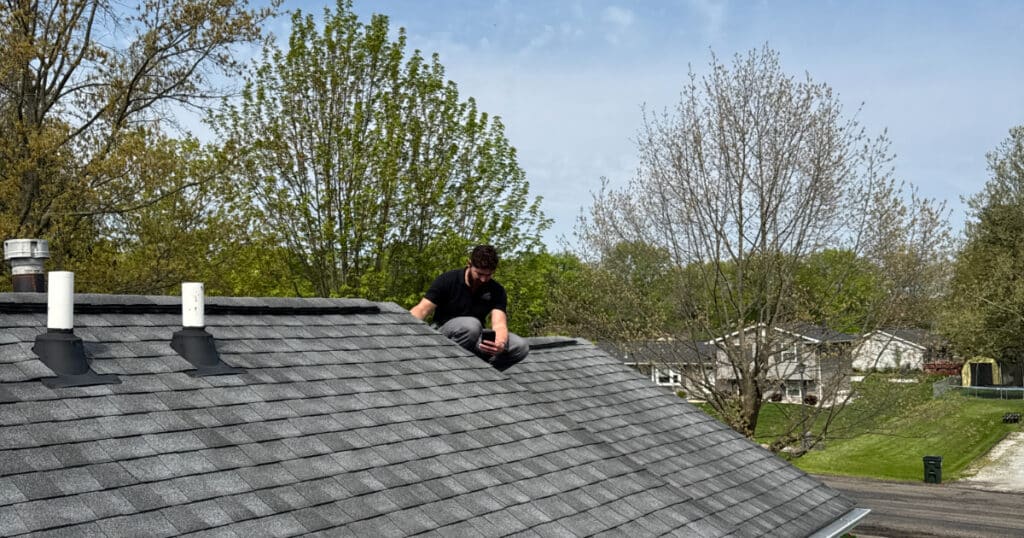
A professional roofing contractor can:
- Verify storm-related damage
- Document the damage with photos & videos
- Prevent home owners from filing unnecessary claims
- Provide a detailed report to the insurance adjuster
- Help you file a claim if it’s necessary
- Provide you with recommendations for the next steps, if any are needed
Do not Assume Your Roof is Fine Without an Inspection
Many homeowners think that if their roof is not leaking, it means their roof is just fine. This is something that can harm you in the long run because damage is often subtle and doesn’t always show up in the form of a leak or a missing shingle. However, the damage caused could lead to a leak in the near future, and if you wait too long to file a claim, you will have to pay for the roof out of pocket. That’s why having a professional inspect your roof is essential.
A professional roofing contractor can identify:
- Granule loss
- Fiberglass exposure
- Shingle uplifting
- Hail dents & bruising
- Creasing
Choose a Company that Fully Understands the Insurance Process
The initial inspection, meeting with the adjuster, proper documentation, and discussions with the insurance company all matter and play an essential role in determining whether they will cover only part of your roof, or the entire roof replacement.
How the Insurance Claim Process Works in Ohio
Homeowner Files the Claim:
- You call your insurance company
- Provide them with the date of the storm
- Claims department assign a claim number
Adjuster Visit:
- Insurance sends an adjuster to inspect roof
- Your professional roofing contractor should be present to point out storm damage
- The adjuster decides what is covered
Approval or Denial:
- Insurance may approve for a repair or a full replacement
- If approved, they will provide a “scope of work”
Supplementing:
- Your professional roofing contractor will review the scope of work
- Missing items will be addressed (supplemented) by the company
Homeowner Pays Deductable:
- The deductible is a fixed amount no matter what the estimate price is
- It is the homeowner’s full responsibility to pay the deductible under all policies
Why Claims are Sometimes Denied
No Visible Damage:
- The damage must be visible to the naked eye
Wrong date or no matching Storm Data:
- Insurance checks weather reports to see if it coincides with the date you provided
What to do if Your Claim is Denied?
Most claims are approved if the damage is caused by natural disasters—it is just a matter of time and working with a company that knows how the insurance process works. In the case that your initial claim is denied, it is worth having your roof professionally re-evaluated because after a re-inspection, your roof is likely to get approved. These are the steps you can take if your claim was denied:

- Ask your insurance company for a re-inspection, and make sure your professional roofing contractor is present during the process
- Request the documentation on why it was denied
- Verify with your neighbors to see if they got approved
What This Means for You as a Homeowner
In short, you are very likely to get your claim approved if your roof is damaged by any type of unexpected storm, as this damage can’t be avoided. It is also very important that you hire a trustworthy company that fully understands the insurance process: all the way from communicating between you, the adjuster, and the insurance company, to advocating for you as the homeowner through the supplementation process, to thoroughly reviewing and addressing all paperwork involved in your claim.
To stay on the safe side, it is recommended that you get your roof inspected as soon as possible after a storm. This can save you from spending lots of money out of pocket on repairs, interior work from leaks, or even a full replacement down the road.
If you have any additional questions, please feel free to reach out to us.